
Diabetic Eye Exams: Looking Beyond Clear Vision
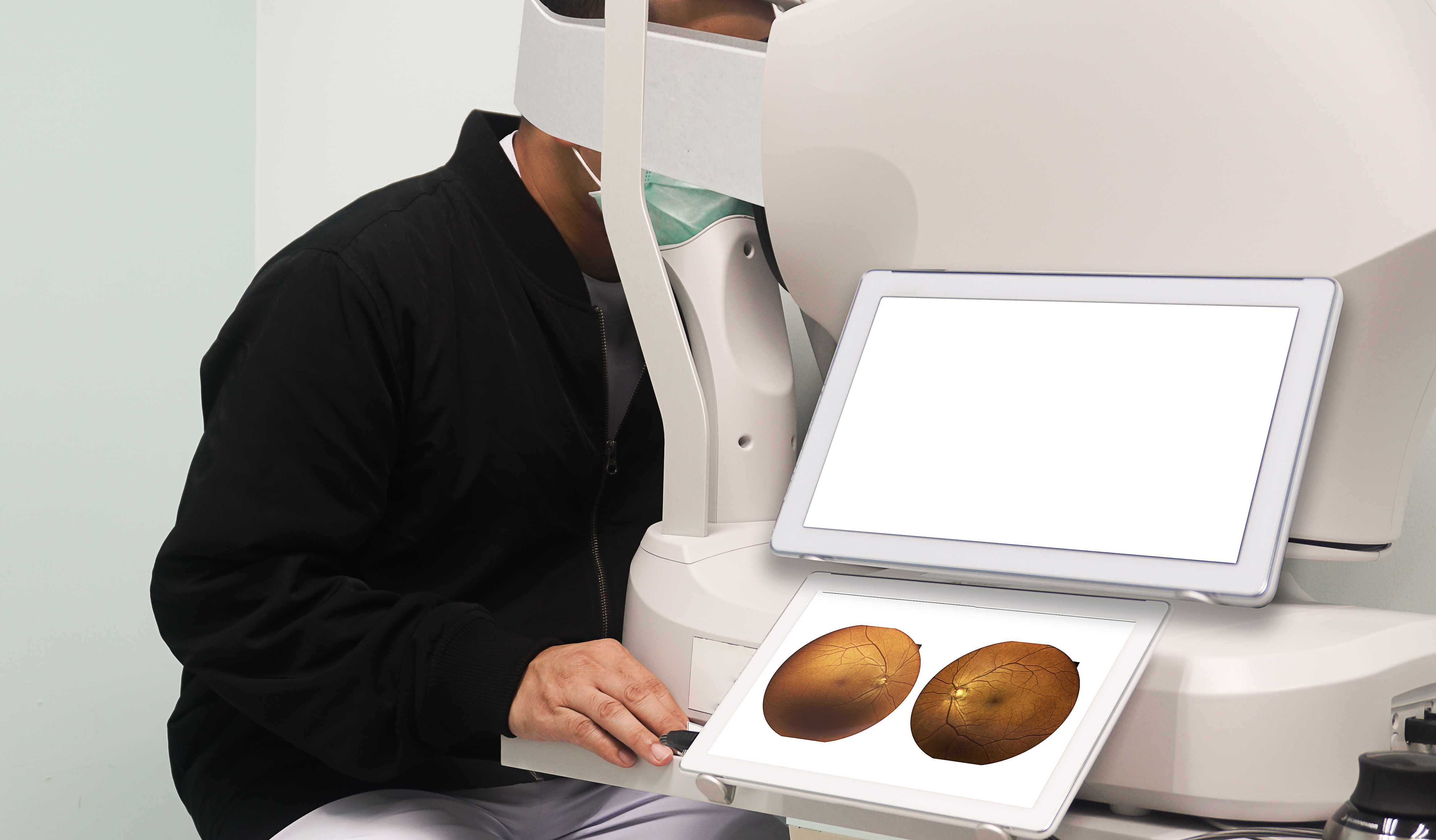
If you have diabetes and your vision seems perfectly clear, it may be tempting to assume your eyes are healthy. However, diabetes can cause changes inside the eye before you notice blurry vision or other symptoms. That is why diabetic eye exams are an important part of protecting long-term vision.
At San Pedro Optometry, we provide comprehensive eye care and advanced diagnostic testing for patients in San Pedro. Regular eye exams allow us to evaluate the retina, optic nerve, and other structures that can be affected by diabetes.
How Can Diabetes Affect Your Eyes?
Over time, elevated blood sugar can damage small blood vessels throughout the body, including the blood vessels that supply the retina. This can lead to diabetic retinopathy, one of the most important eye conditions associated with diabetes.
Early diabetic retinopathy may not cause noticeable changes in vision. As the condition progresses, damaged blood vessels may leak fluid or blood, and more advanced disease can significantly affect sight.
Diabetes is also associated with an increased risk of other eye conditions, including cataracts and glaucoma. A diabetic eye exam looks beyond how clearly you can read the eye chart to evaluate the health of the eyes themselves.
What Happens During a Diabetic Eye Exam?
Your appointment begins with a review of your medical history, diabetes management, medications, and any changes in your vision. Even small changes can provide useful information.
Depending on your individual needs, your diabetic eye exam may include:
Checking visual acuity and your current prescription
Measuring pressure inside the eyes
Examining the retina and retinal blood vessels
Evaluating the macula and optic nerve
Using retinal imaging or other diagnostic testing when appropriate
Pupil dilation may also be recommended so we can obtain a broader view inside the eyes.
Why Does Retinal Monitoring Matter?
A single eye exam shows us what your eyes look like at one point in time. Regular examinations allow us to compare findings and identify changes that may develop gradually.
This is particularly important with diabetic retinopathy because the condition can progress while central vision still seems normal. Retinal imaging can also provide a digital record that may help document findings from one visit to another.
For San Pedro patients with diabetes, ongoing monitoring can help determine whether the eyes remain stable or whether closer follow-up or referral for additional treatment is needed.
How Often Should You Have a Diabetic Eye Exam?
People with diabetes generally need regular comprehensive dilated eye examinations, often at least once a year. Your recommended schedule may vary depending on your type of diabetes, how long you have had it, pregnancy status, previous retinal findings, and overall medical health.
If diabetic retinopathy is already present, more frequent monitoring may be necessary.
Keeping blood sugar, blood pressure, and cholesterol within the ranges recommended by your healthcare providers can also help reduce the risk of diabetes-related eye complications. Eye care works alongside your primary medical care rather than replacing it.
Do Not Wait for Blurry Vision
Clear vision is not a reliable way to determine whether diabetes has affected your retina. By the time symptoms appear, changes may already be more advanced.
Contact your eye doctor promptly if you notice new floaters, increasing blurry vision, dark or missing areas of vision, or other unexpected changes. Sudden vision loss, flashes of light, a rapid increase in floaters, or a curtain-like shadow requires urgent evaluation.
If you have diabetes and are due for an eye health evaluation, contact San Pedro Optometry at 625 W 9th St, San Pedro, CA 90731 by calling (310) 833-2495 to schedule a comprehensive diabetic eye exam.
Quick Links
Helpful Articles

All Eye Care Services
Find personalized eye care excellence with our comprehensive services. From eye exams to advanced diagnostics, trust us for all your vision needs.

Keep In Touch
For non-urgent questions or to learn more about our services, contact us today!

- Monday 9:00am - 4:00pm
- Tuesday 9:00am - 4:00pm
- Wednesday 9:00am - 4:00pm
- Thursday 9:00am - 4:00pm
- Friday Appointment Only
- Saturday Closed
- Sunday Closed
- Lunch 12:00pm - 1:00pm
- Monday
- Tuesday
- Wednesday
- Thursday
- Friday
- Saturday
- Sunday
- Monday
- Tuesday
- Wednesday
- Thursday
- Friday
- Saturday
- Sunday
© 2026 San Pedro Optometry. All rights Reserved - Accessibility Statement - Privacy Policy - Sitemap
Managed and Designed by 